


AFTER EXTRACTION OF WISDOM TEETH
What Will I Feel Like after Wisdom Teeth Removal Surgery?
Are There Any Problems after the Extraction of Wisdom Teeth?
After the procedure, our assistants will review your post-operative instructions with your escort. We ask that you follow these instructions closely, as they will make you most comfortable following your procedure. If you were sedated, you will be comfortable and drowsy when you leave the office. Most patients prefer to go home and rest with no other physical or scholastic activities planned for a few days. With any medical procedure, there can be unexpected results. These can include delayed healing, infection and post-operative numbness or tingling in your lip, chin, or tongue. The oral surgeon will review relevant post-operative events with you and answer any questions during your office visit.

Damage to Sensory Nerve:
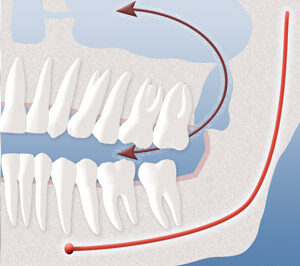
A primary concern is a nerve within the lower jaw bone that supplies feeling to the lower lip, chin, and tongue. This nerve is frequently very close to the roots of the lower wisdom teeth. Having these teeth out between the ages of 12 and 18 usually provides shorter roots so that the nerve is not so close to the roots of these teeth. Occasionally, when the teeth are removed, and especially in older patients, the nerve can become injured. When local anesthesia wears off, you may experience a tingling or numbing sensation in the lower lip, chin, or tongue. Should this occur, it is usually temporary and will resolve gradually over a period of weeks or months. On rare occasions it can result in a permanent alteration of sensation similar to having local anesthesia. We feel that you should be aware of this possibility before consenting to surgery.
Sinus Communication:
The upper wisdom teeth are situated close to your sinuses, and their removal can result in an opening between your mouth and the sinus. Once again, if the teeth are removed at an early age, the root formation is minimal, and this complication is very unlikely. However, if it does occur, it will usually close spontaneously, but we may give you special instructions to follow, such as avoid blowing your nose for two or three days following the surgery. You can wipe your nose, but don’t blow your nose. If you have to sneeze, you should sneeze with an open mouth into a tissue. Pressure should not be created in the sinus area, which may dislodge the healing blood clot. If you sense this condition occurring after the surgery, please contact the office. An additional procedure may RARELY be necessary to close the opening.
Dry Sockets:
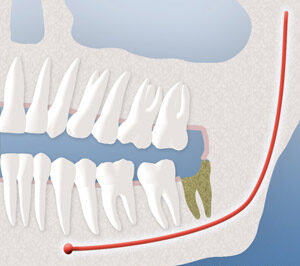
Dry sockets continue to be the most common problem people experience following dental surgery. They arise due to premature loss of a blood clot in the empty tooth socket. This seems to occur with greater frequency in people who smoke or are taking birth control pills. While both jaws can be affected, they usually occur in the lower jaw on the third to fifth day. They cause a deep, dull, continuous aching on the affected side(s). Patients may first notice the pain starting in the ear radiating down towards the chin.
The symptoms frequently begin in the middle of the night, and your pain medication regimen may not help. Treatment can involve changing your prescription. Occasionally it is helpful to place a medicated dressing in the empty tooth socket. This will help decrease the pain and protect the socket from food particles. The effectiveness in alleviating the pain lasts for 24-48 hours and may require dressing changes every day or two, for five to seven days. Dressings usually are removed when you have been pain free for 2 to 3 days.
The dressing doesn’t aid in healing. The only reason to place a dressing is for pain control. If medication is controlling the pain, the socket will heal without a dressing. Following removal of the dressing, an irrigation device may be provided to help you to keep food particles from lodging in the extraction site.
Infection:
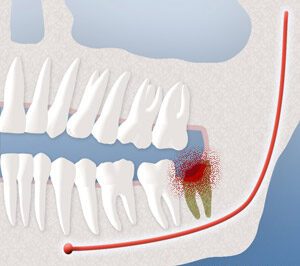
Occasionally, post-operative infections occur. This usually requires an office visit and clinical examination. Many times, just placing you on an antibiotic for one week will take care of the infection. If it persists, the area will have to be drained and cleaned. Other temporary problems you may experience in the post-operative period include stiffness of the jaws, chafing around the corners of your lips, facial bruising, and blood oozing from the extraction sites. The post-operative instruction sheet we will provide should answer many of the questions related to these more common concerns. If not, don’t hesitate to call the office at (410) 730-6001.